
When Outdated Technology Becomes a Commercial Risk in B2B E-commerce
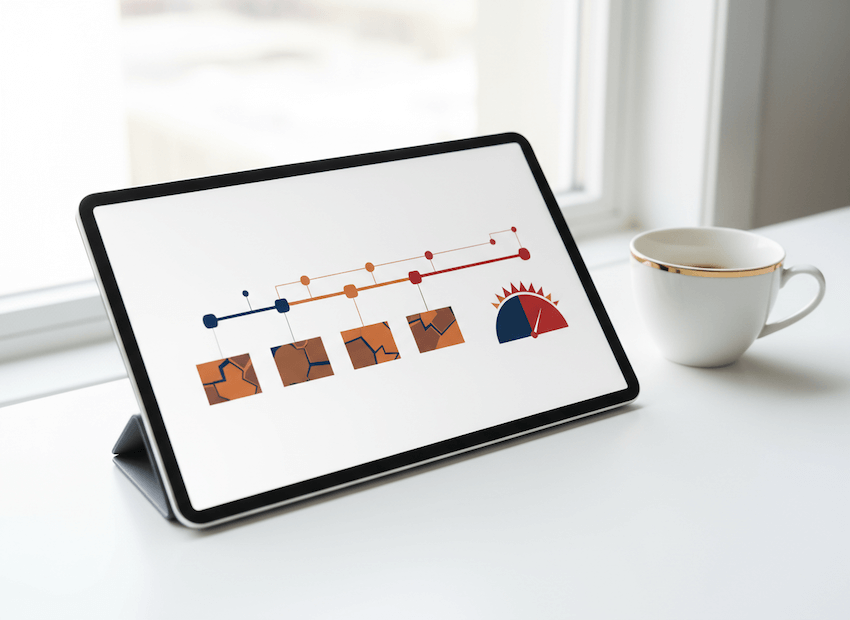
Most B2B platforms do not fail dramatically. They drift.
Performance becomes harder to improve. Integrations take longer to adjust. Minor changes introduce unintended consequences. Over time, what once felt stable starts to feel restrictive. The issue is rarely age alone. It is the accumulation of technical debt and structural compromise that gradually reduces flexibility.
At that point, the platform is no longer just ageing. It is influencing commercial decisions.
Small Compromises Compound
Every platform carries legacy decisions. An extension added to solve an immediate need. A customisation built under deadline pressure. A temporary workaround that became permanent.
Individually, these changes are rational. Collectively, they introduce fragility.
Upgrades become riskier. Testing cycles lengthen. Integrations behave inconsistently. What once required incremental improvement now demands disproportionate effort. The cost is not only financial. It is operational distraction.
When change slows, growth slows with it.
Explore More with DWS
Risk Expands Faster Than Revenue
Security standards evolve. Compliance expectations increase. Customer tolerance for instability decreases.
Older architectures often struggle to absorb these shifts cleanly. Unsupported modules remain in place. Patch cycles stretch. Integration points become brittle.
This does not always create immediate failure. It increases exposure gradually, operationally and reputationally.
Maintaining the status quo therefore becomes an active risk decision rather than a neutral one.
When Optimisation Stops Delivering
Many businesses attempt to extend platform lifespan through optimisation. Performance tuning, selective upgrades and incremental enhancements can deliver returns up to a point.
However, when improvements produce diminishing gains, when new functionality introduces instability, or when teams hesitate to make changes for fear of breakage, the issue is no longer tactical. It is structural.
This is the inflection point where leadership must decide whether continued optimisation remains commercially sensible or whether architectural renewal is required.
Modernisation as Governance
Platform evolution should not be framed as chasing trends. It is a lifecycle governance decision.
A structured assessment of architecture, integration stability, technical debt, security posture and data integrity provides clarity. Sometimes the outcome is phased refactoring. Sometimes it is controlled rebuild. Occasionally, it confirms that optimisation remains viable.
The objective is alignment.
Technology should support commercial ambition, not constrain it. When systems begin shaping business decisions rather than enabling them, it is time to reassess the foundation beneath them.